Éalú and the FORWARD Project
Eálú’s role in the FORWARD Project:
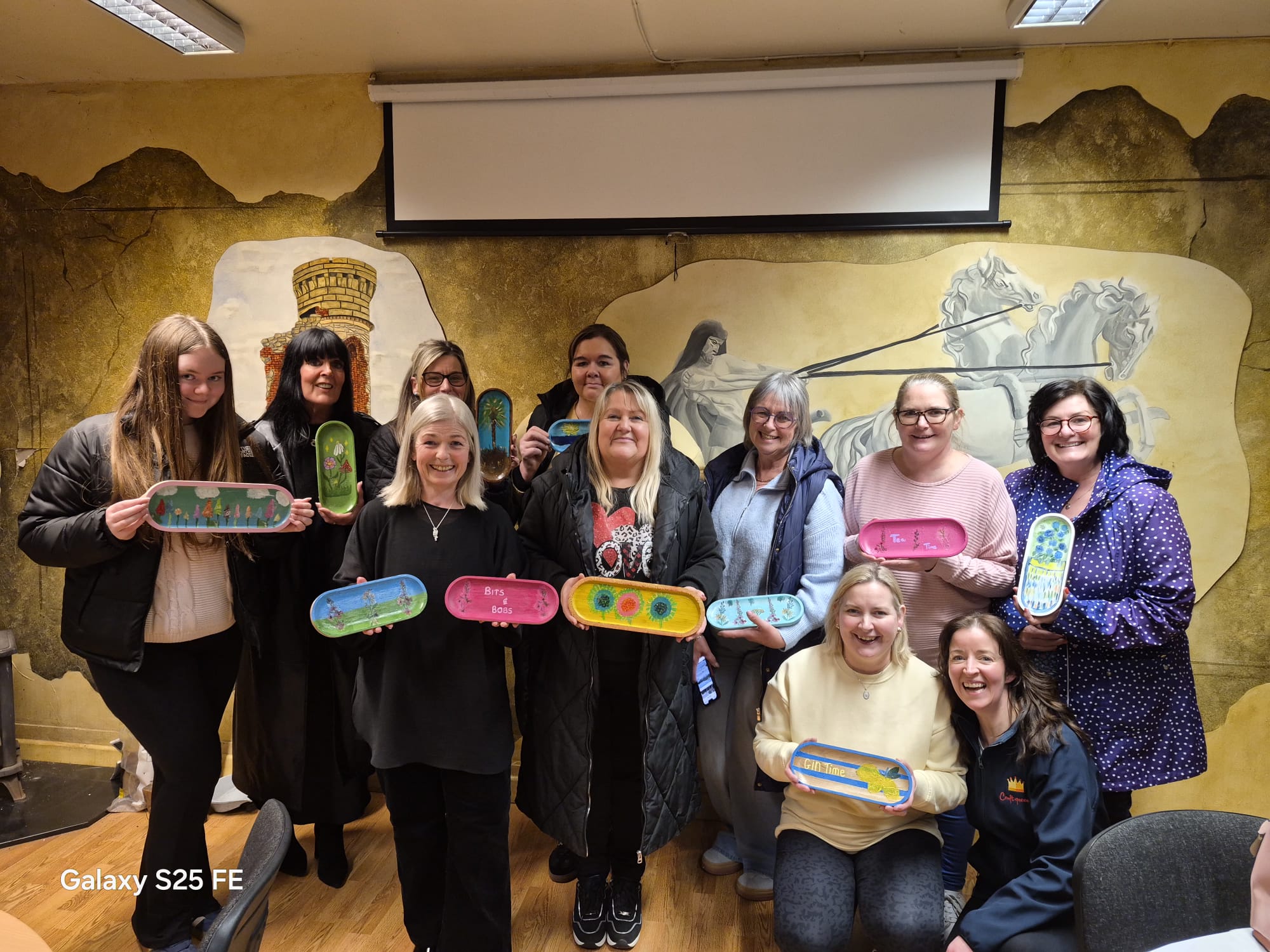
To work with women and other underrepresented groups to help them find their voice in civic life. That means bringing people together for workshops, training sessions, and events focused on empowerment and community involvement.
About Éalú
At its core, Eálú provides a shared, inclusive space where people from all backgrounds can come together. We deliver a diverse programme of activities spanning education, culture, the arts, good relations, and peacebuilding, all with the overarching aim of improving everyday life for local people and actively challenging sectarianism, racism, and all forms of prejudice.
Established to support ex-prisoners, their families, and the wider community across Tyrone, Armagh, Monaghan, and beyond, particularly in areas affected by economic and social deprivation. Eálú takes a holistic approach to community development. Our work is rooted in the conviction that everyone deserves the opportunity to move forward, improve their wellbeing, and feel fully included in the social and economic life of their community.
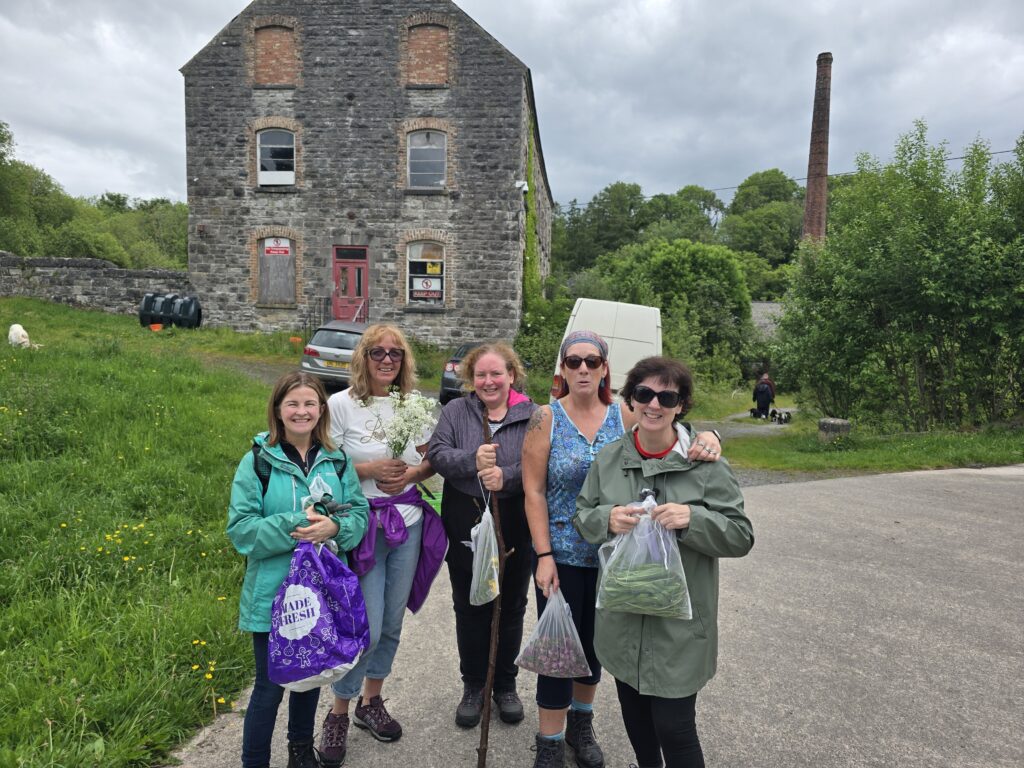
To that end, we offer a wide range of services and interventions. These include trauma-informed counselling and wellbeing support, youth programmes delivered in partnership with local schools, and our Men’s Shed project, which focuses on practical skills and employability. We also run art classes and exhibitions that bring together ex-prisoners, conflict survivors, and the wider public in a spirit of shared creativity and understanding. For older and more vulnerable members of the community, we provide home visits and social or educational activities designed to reduce isolation and promote connection. Our women’s groups offer a welcoming environment for art, yoga, flower arranging, and meditation, supporting both mental and physical wellbeing.
Alongside these visible activities, Eálú undertakes significant behind-the-scenes work in mediation and community bridge-building. We engage quietly and patiently with individuals and groups who may feel marginalised or excluded from the peace process, helping to resolve disputes and fostering collaborative approaches to shared challenges. The impact of this work is tangible: stronger relationships within and between communities, fairer social outcomes, and a more stable, cohesive local environment in which people can thrive.